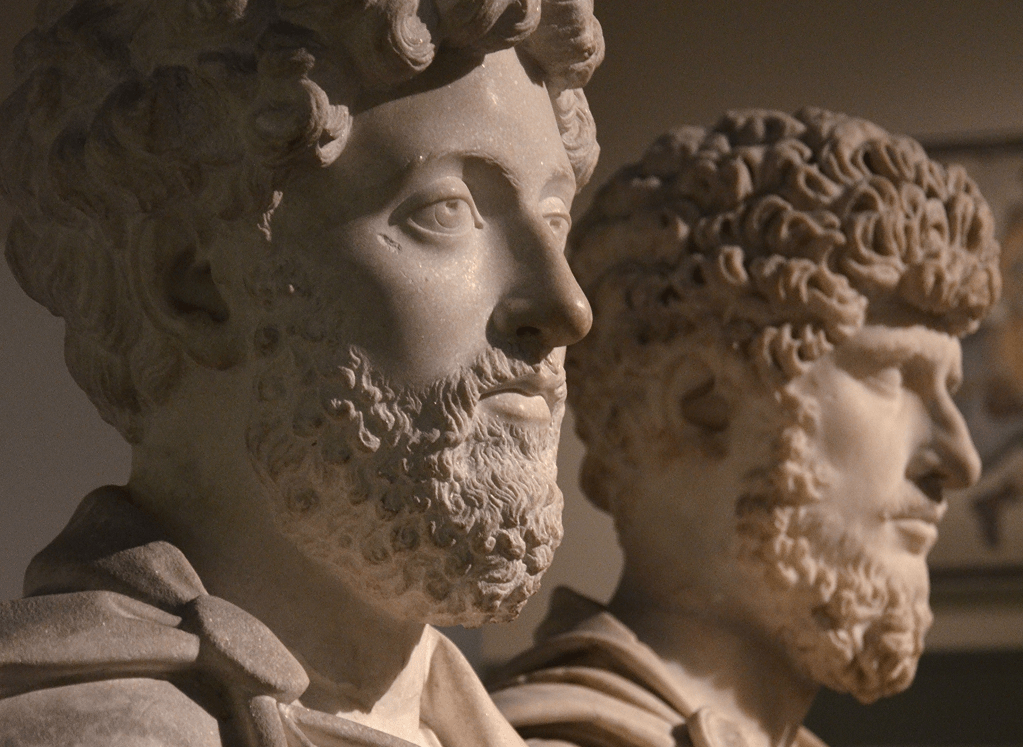
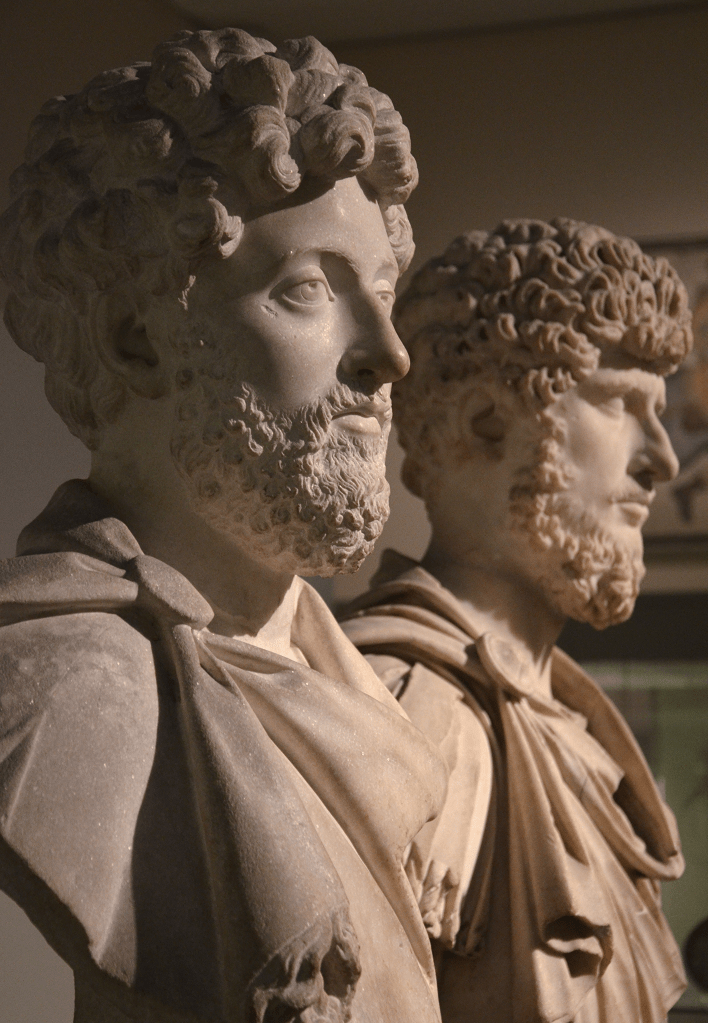
Marcus Aurelius and Lucius Verus become joint emperors of Rome upon the death of Antoninus Pius.
ㅤUpon Antoninus Pius’s death in 161 CE, Marcus Aurelius found himself the de facto ruler of the Roman Empire. While the formal conferral of titles was imminent, with the Senate poised to grant him “Augustus,” “imperator,” and “pontifex maximus,” Marcus displayed a reluctance to assume absolute power. Historical accounts suggest a genuine “horror imperii,” a fear of imperial authority, stemming from his preference for a philosophical life. However, his Stoic training compelled him to accept the duty of leadership.
ㅤDespite his personal reservations regarding Hadrian, Marcus felt obligated to uphold the deceased emperor’s succession plans. Consequently, he refused to accept the imperial office unless Lucius Verus was granted equal powers. The Senate acquiesced, elevating Lucius to co-emperor with the same titles. While officially equals, Marcus held greater “auctoritas,” owing to his longer experience, prior consulships, and position as pontifex maximus. This established a clear hierarchy, with Lucius effectively subordinate to Marcus, a dynamic readily apparent to the Roman populace.


 Paul M. Krueger
Leave a reply to Paul Krueger Cancel reply