
A B-52 bomber crashes near Thule Air Base, contaminating the area after its nuclear payload ruptures. One of the four bombs remains unaccounted for after the cleanup operation is complete.
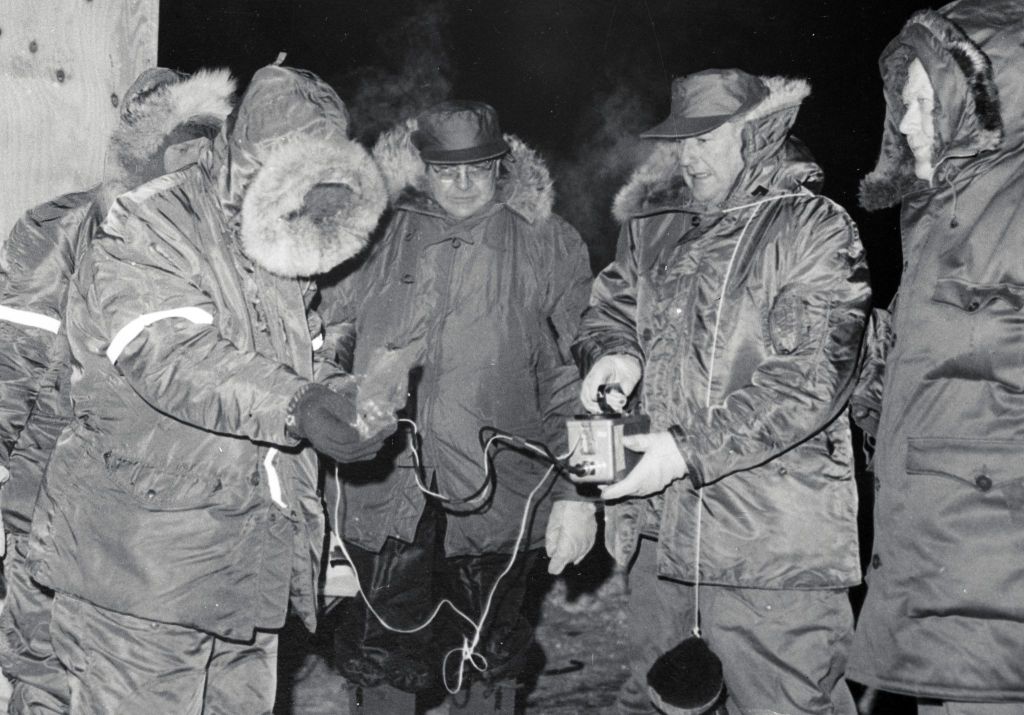
ㅤOn January 21, 1968, a United States Air Force B-52 bomber carrying four thermonuclear bombs crashed onto sea ice near Thule Air Base in Greenland after a cabin fire forced the crew to abandon the aircraft. While six crew members ejected safely, one was killed in the attempt. The crash resulted in the detonation of conventional explosives and the rupture of the nuclear payload, causing widespread radioactive contamination that required an intensive joint cleanup operation by the U.S. and Denmark, during which the secondary stage of one weapon was never recovered.
ㅤThe incident led to the immediate discontinuation of Strategic Air Command’s “Chrome Dome” alert missions and sparked a review of safety procedures and explosive stability. Long-term consequences persisted, surfacing in 1995 with a political scandal revealing that Denmark had violated its own nuclear-free policy by tacitly permitting weapons in Greenland. Furthermore, the accident left a lasting human toll, as cleanup workers later campaigned for compensation regarding radiation-related illnesses attributed to their involvement in the recovery efforts.

 Paul M. Krueger
Leave a comment