The War Relocation Authority is established in the United States to take Japanese Americans into custody.
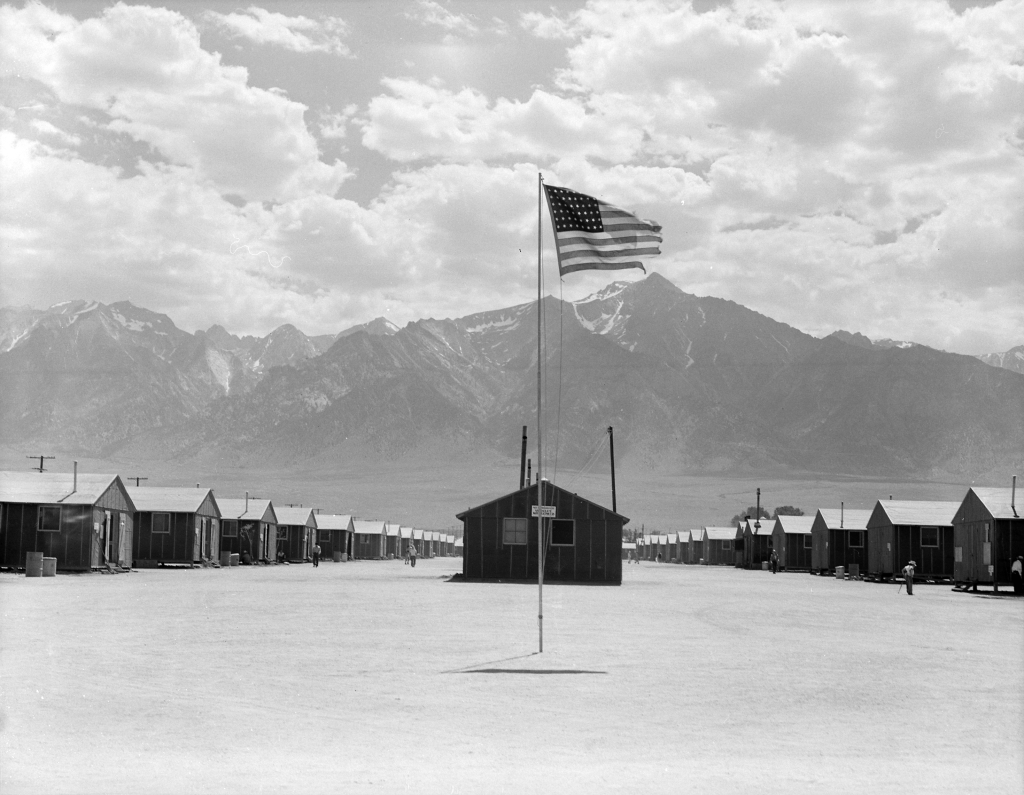
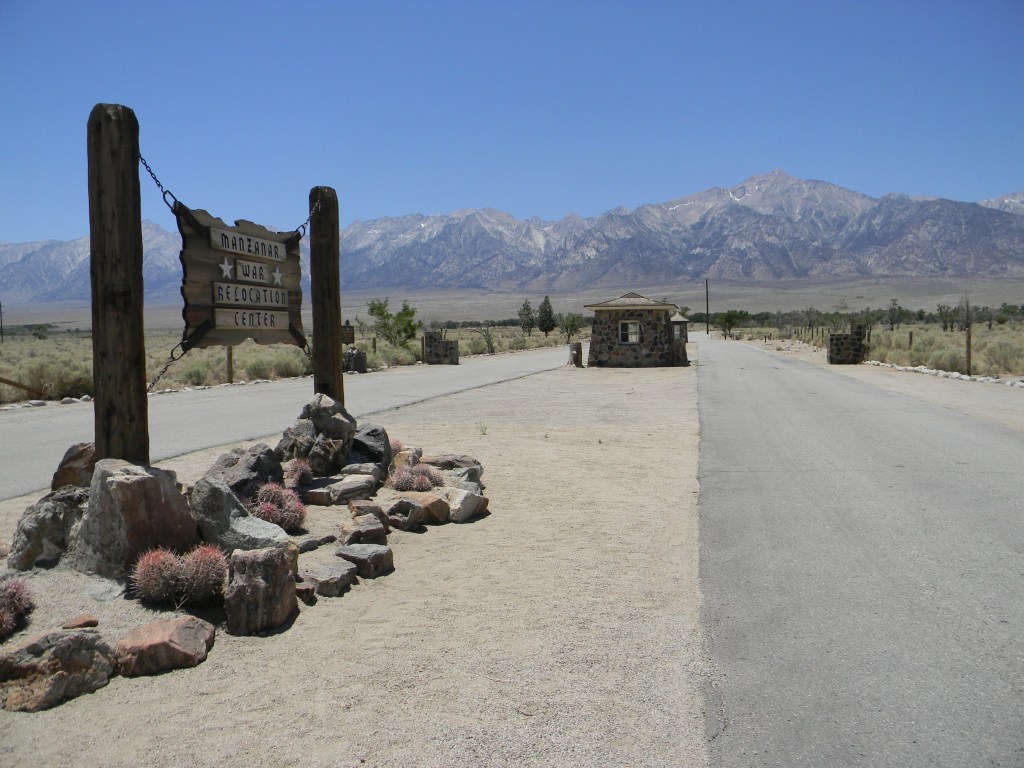
ㅤFollowing the attack on Pearl Harbor in December 1941, President Roosevelt issued Executive Order 9066, which authorized the creation of exclusion zones for individuals deemed a threat to national security. This order, fueled by suspicion of Japanese Americans, led to the establishment of Military Areas 1 and 2, encompassing the entire West Coast. Consequently, Japanese Americans residing in these areas were scheduled for “evacuation.” Then, on March 18, 1942, Executive Order 9102 established the War Relocation Authority (WRA), which would oversee the internment of these individuals. Notably, the Works Projects Administration (WPA) played a significant role in the initial stages of this process, providing resources and personnel for the establishment of “Reception and Induction” centers and relocation facilities like Manzanar, even before the formation of the WRA.
ㅤMilton S. Eisenhower (youngest brother of, and advisor to, U.S. President Dwight D. Eisenhower), the WRA’s first director, attempted to mitigate the harshness of the internment. He proposed limiting internment to adult males and advocated for camps resembling subsistence homesteads. However, opposition from state governors and political realities hindered these efforts. Eisenhower, who disapproved of mass internment, also worked to improve conditions within the camps, including raising wages, establishing an internee advisory council, and initiating a student leave program. Despite his efforts to protect the property of displaced Japanese Americans and secure a public statement of support from President Roosevelt, he resigned in June 1942, after only ninety days. He was succeeded by Dillon S. Myer, who oversaw the WRA until its dissolution at the end of World War II.
 Paul M. Krueger
Leave a comment