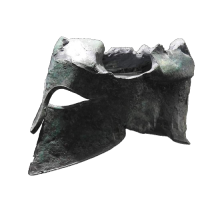

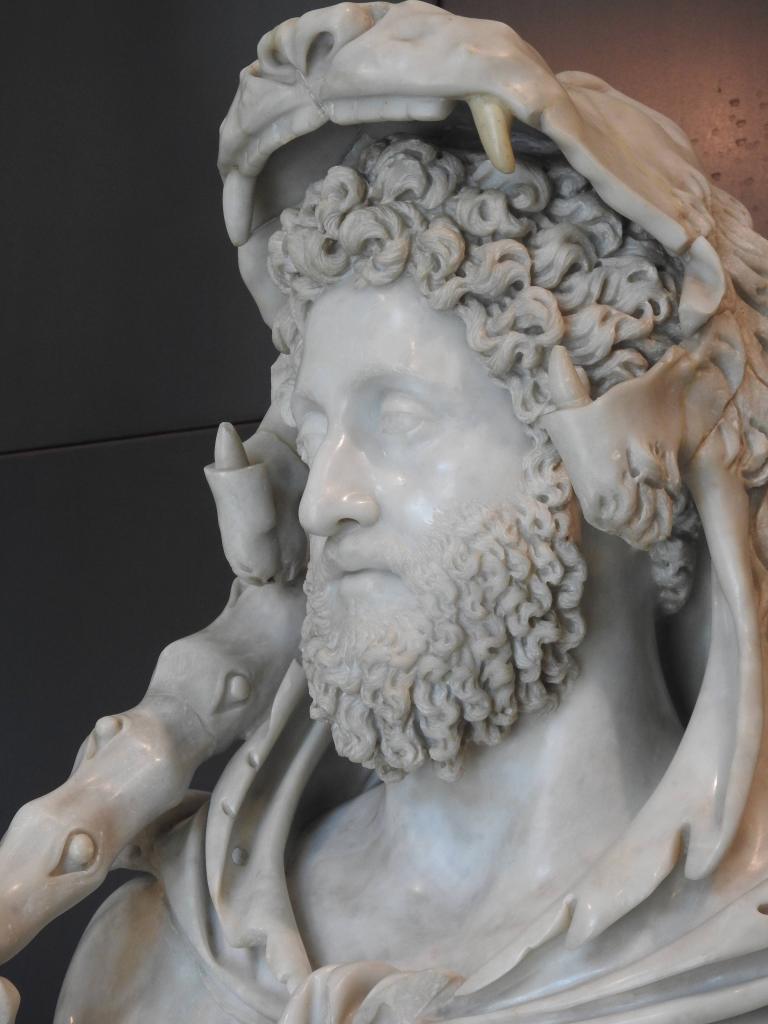
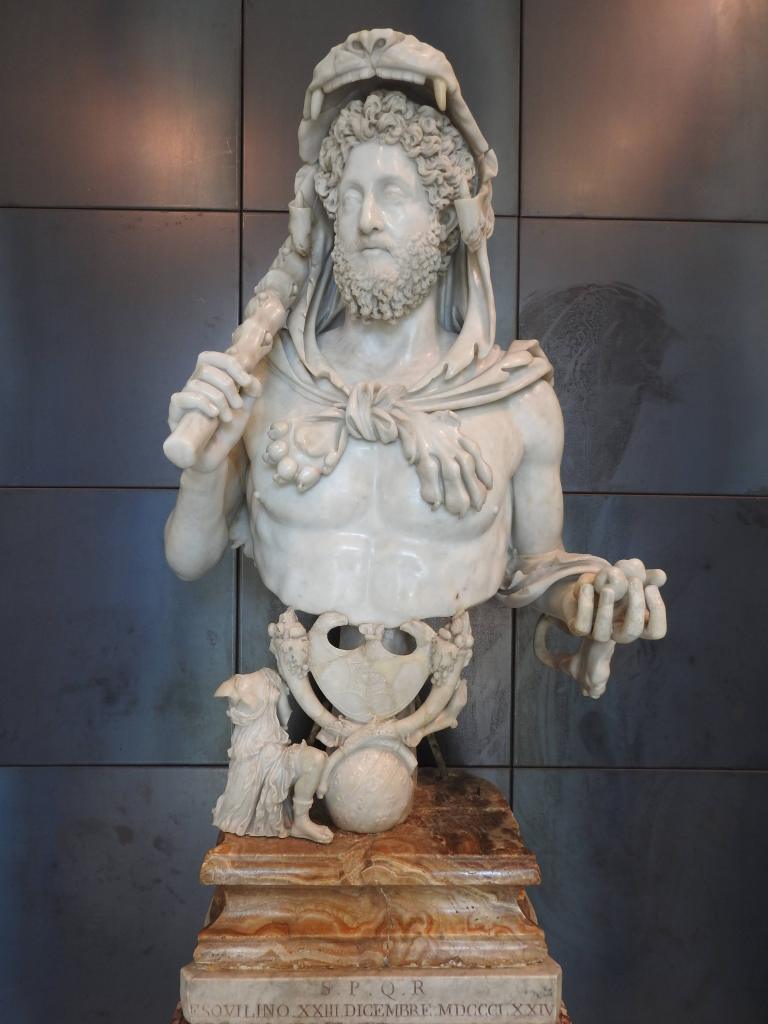
Commodus becomes sole emperor of the Roman Empire at the age of eighteen, following the death of his father, Marcus Aurelius.
ㅤMarcus Aurelius’ death on March 17, 180 marked a pivotal moment in Roman history, leaving his 18-year-old son, Commodus, as the sole emperor. Commodus quickly negotiated a peace treaty with the Danubian tribes, ending the almost continuous warfare that had characterized his father’s reign. He then returned to Rome, celebrating a triumph in October of the same year. However, unlike his predecessors, Commodus displayed little interest in administrative duties, preferring to delegate state affairs to a succession of favorites, beginning with his chamberlain, Saoterus. This detachment from governance fueled political strife and increasingly arbitrary behavior, leading Cassius Dio to lament the transition “from a kingdom of gold to one of iron and rust.”
ㅤCommodus’ reign, though significant, is poorly documented, relying primarily on sources like Herodian, Cassius Dio’s fragmented accounts, and the often unreliable Historia Augusta. Despite his notoriety, Commodus maintained popularity with the army and the common people through lavish displays of generosity and his participation in gladiatorial contests. However, his economic policies, including the devaluation of Roman currency and heavy taxation of the senatorial order to fund his extravagant shows, contributed to a period of economic decline. The growing dissatisfaction within the senatorial order led to numerous conspiracies and attempted coups, ultimately prompting Commodus to adopt an increasingly dictatorial style of rule, even reversing the traditional order of “Senate and People” on inscriptions to “People and Senate.”
ㅤ
 Paul M. Krueger
Leave a comment