President Woodrow Wilson signs an act of Congress establishing the Grand Canyon National Park.
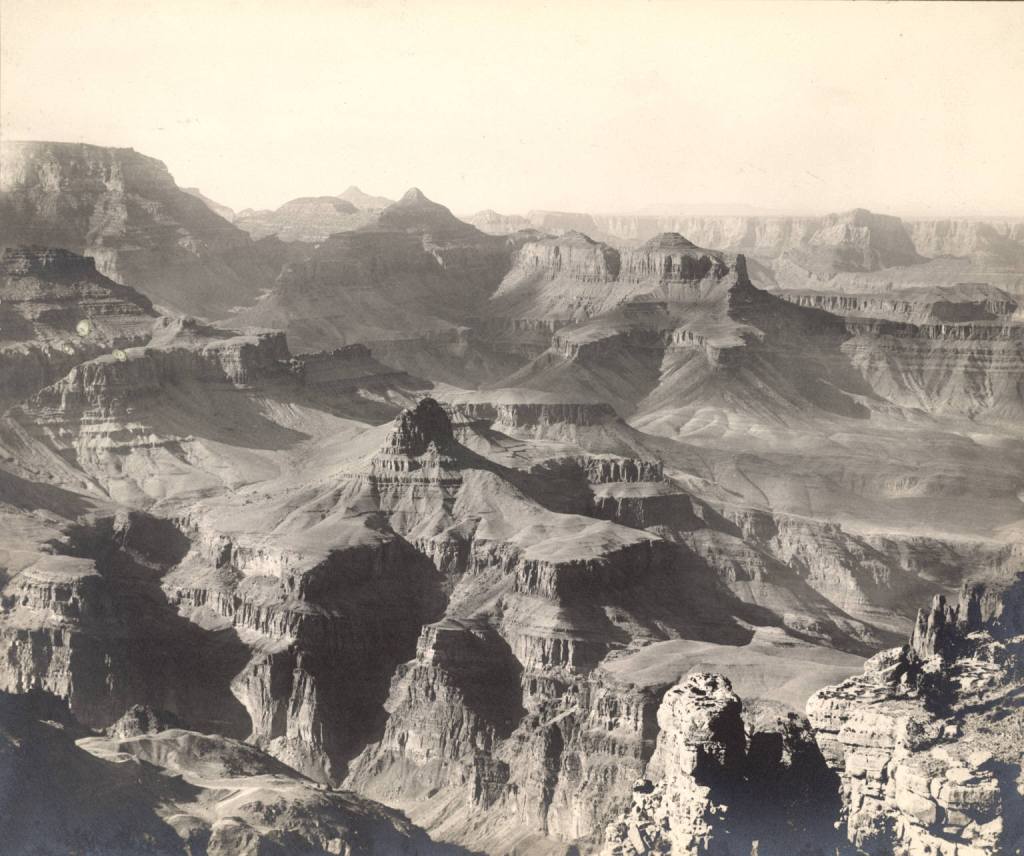
ㅤThe journey to establish Grand Canyon National Park was a protracted process, marked by decades of advocacy and legislative hurdles. While the Grand Canyon’s awe-inspiring beauty had captivated Americans since the late 19th century, with President Theodore Roosevelt famously declaring in 1903 that it should remain untouched for future generations, its official designation as a national park was not immediate. Early attempts by Senator Benjamin Harrison in the 1880s were unsuccessful, though he and Roosevelt did manage to secure protective designations like a forest reserve, game preserve, and national monument. It wasn’t until February 26, 1919, that President Woodrow Wilson signed the Grand Canyon National Park Act, finally solidifying its status as a national park under the administration of the newly formed National Park Service.
ㅤThe park’s creation represented a significant victory for the conservation movement, potentially preventing detrimental development like damming the Colorado River within its boundaries. Subsequent expansions, including the incorporation of Marble Canyon National Monument and a second Grand Canyon National Monument, broadened the park’s protected area. In 1979, UNESCO recognized its global significance by designating it a World Heritage Site. However, even with its protected status, the park faced new challenges, notably the impact of aircraft overflights, which prompted the National Parks Overflights Act of 1987 to address noise pollution and safety concerns.
 Paul M. Krueger
Leave a comment