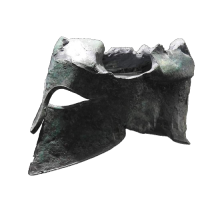

The Nika riots break out, during the racing season at the Hippodrome in Constantinople, as a result of discontent with the rule of the Emperor Justinian I.
ㅤThe Nika Riots of 532 CE were a devastating week-long uprising in Constantinople, sparked by tensions between the city’s chariot racing factions (the Blues and Greens) and Emperor Justinian I. These factions, known as demes, were powerful social and political forces, often influencing imperial policy and even supporting claimants to the throne. The riots began after Justinian refused to pardon two members of the factions who were arrested for murder. Fueled by existing grievances over high taxes, unpopular officials, and Justinian’s perceived favoritism towards the Blues, the factions united under the cry “Nika!” (Victory!) and plunged the city into chaos.
ㅤThe rioters demanded the removal of key officials and even declared a new emperor, Hypatius. Justinian nearly fled the city, but his wife, Empress Theodora, famously convinced him to stay and fight. The emperor then devised a cunning plan, using bribes and military force to quell the uprising. The ensuing violence resulted in the deaths of tens of thousands of people and widespread destruction, including the burning of the Hagia Sophia. Though Justinian ultimately crushed the rebellion, the Nika Riots highlighted the power of the factions and the fragility of imperial authority in Constantinople.
 Paul M. Krueger
Leave a comment